
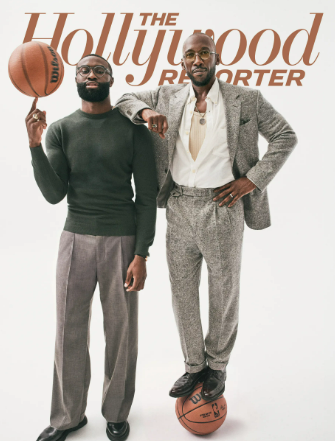
Hollywood Turns Sports Legends Into Major Box Office Stories
Spotlight Daily – 25 November 2026
Hollywood is increasingly turning the lives of sports legends into cinematic stories, bringing championship careers, personal rivalries and cultural legacies to movie audiences. The release of Madden, a biographical film about NFL coach and broadcaster John Madden, offers a timely example of how sports history can become a major entertainment property. The trend also reflects a broader opportunity for studios: sports stories combine recognizable names, built-in fan communities and dramatic narratives that can travel beyond the field.
SpotlightDaily-Official
John Madden’s story puts sports biography in the spotlight
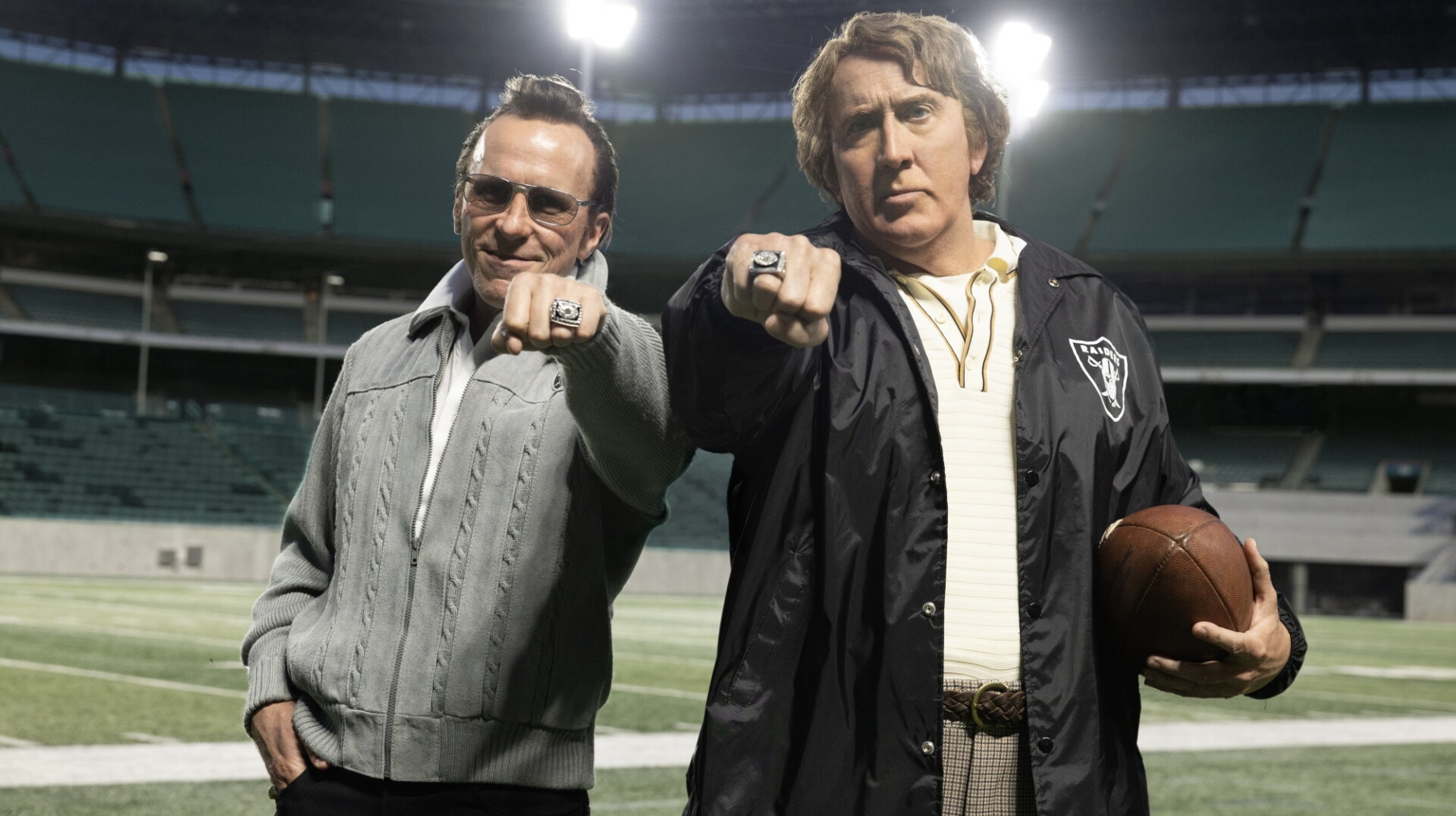
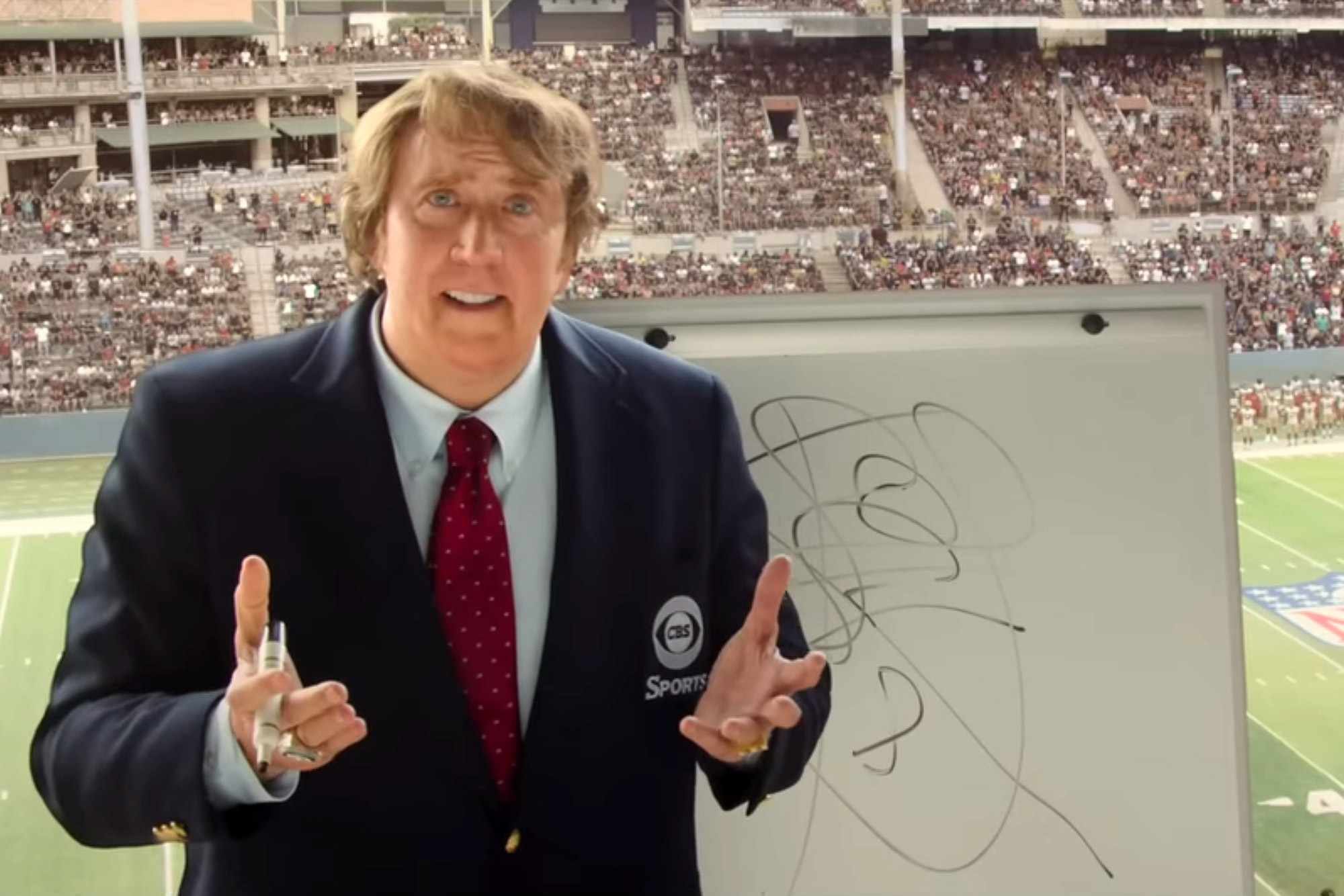
One of the clearest current examples is Madden, directed by David O. Russell and starring Nicolas Cage as the legendary NFL coach and broadcaster. Christian Bale plays Oakland Raiders owner Al Davis, while the ensemble cast includes Kathryn Hahn, Sienna Miller and John Mulaney.
The film traces Madden’s journey from coaching the Raiders to becoming one of American football’s most recognizable television voices and lending his expertise to the Madden NFL video game franchise. The movie arrived in select US theaters on November 11, 2026, and began streaming globally on Prime Video on November 18, according to Amazon.
Madden’s life offers filmmakers several connected storylines: a championship-winning coaching career, a distinctive broadcasting personality and a lasting connection to a video game series. That combination gives the film a potential audience beyond traditional NFL fans, including viewers interested in media history and the business of gaming.
Why sports legends make compelling film subjects
Sports biographies have a natural dramatic structure. Athletes and coaches face visible goals, public pressure, setbacks, competition and moments of triumph. Their stories can also explore less familiar subjects, including family sacrifices, financial decisions, injuries, identity and the cost of fame.
Recognizable figures provide another advantage. Fans may already know the athlete’s name, defining achievement or most famous controversy. A film can build on that awareness while offering a deeper account of the people and decisions behind the public image. For international distributors and streaming services, well-known sporting figures can also help a story reach audiences in markets where the sport itself has a smaller following.
However, name recognition does not guarantee a hit. A successful sports biopic still needs a strong screenplay, convincing performances, clear storytelling and a compelling reason for audiences to watch the story now.
From the playing field to the business of entertainment
Sports films can create value across several parts of the entertainment economy. Studios and streaming platforms compete for recognizable stories, while producers seek access to life rights, archives, league footage and cooperation from people connected to the subject. Marketing campaigns can draw on existing fan communities, sports media coverage and the emotional attachment audiences have to historic teams and events.
The commercial potential is not limited to ticket sales or streaming subscriptions. A film can renew interest in documentaries, books, licensed merchandise, sports archives and related video games. In Madden’s case, the subject’s connection to a long-running football game franchise gives the story an unusually direct link between sports, film and interactive entertainment.
At the same time, these projects involve complex rights and reputational questions. Producers may need to negotiate image, music, footage and trademark permissions. They must also decide how to portray real people fairly, especially when a story includes private relationships, disputes or controversial moments.
Sports films can reach audiences beyond traditional fans
The strongest sports stories are often about more than results. They can explore ambition, leadership, family, race, class, business and social change. This wider perspective can make a film accessible to viewers who do not regularly follow the sport.
For example, Air examined the commercial partnership that helped turn Michael Jordan’s relationship with Nike into a defining sports-business story. King Richard focused on Richard Williams and the family journey behind the rise of tennis champions Venus and Serena Williams. Both films demonstrate how a sports-related story can connect athletic achievement with entrepreneurship, family dynamics and cultural influence.
These films also show why perspective matters. A biography focused only on victories may feel predictable. A more layered story can reveal the people, institutions and commercial forces that shaped an athlete’s career.
Accuracy remains a challenge for sports biopics
Turning real lives into feature films requires compression. Years of events must fit into a limited running time, and filmmakers may combine incidents, simplify timelines or create dialogue for dramatic effect. Those choices can make a film more accessible, but they can also blur the line between documented history and invention.
The discussion around Madden illustrates the issue. Recent fact-checking coverage has identified parts of the film’s portrayal that differ from the historical record, including details involving Madden’s family life and personal experiences. Viewers should therefore treat a biopic as a dramatized interpretation, not as a complete historical record.
For studios, the challenge is to balance creative storytelling with respect for the people whose lives provide the material. Clear communication about dramatization, careful research and consultation with relevant families or archives can help protect credibility.
Streaming platforms are changing the sports-biopic business
Streaming services have expanded the routes through which sports biographies reach viewers. A film can receive a limited theatrical release, arrive on a global platform and then remain available to audiences who discover it months or years later. That distribution model can give niche subjects a longer life than a conventional cinema window alone.
For platforms, sports legends can provide recognizable programming that appeals to both dedicated fans and general entertainment audiences. For filmmakers, streaming can offer international reach, although the financial terms and audience data are not always as transparent as traditional box-office reporting.
The model also increases competition. Sports documentaries, reality series, podcasts and short-form video all tell stories about athletes. Feature films must offer something distinctive: a compelling dramatic interpretation, access to untold material or a perspective that audiences cannot easily find elsewhere.
What comes next for Hollywood’s sports stories?
The continuing interest in sports biographies suggests that studios will keep exploring the lives of athletes, coaches, owners and influential figures from the business of sport. The most promising projects are likely to look beyond a famous victory and examine how a person changed a team, a sport, a media industry or popular culture.
Madden is a timely example because its subject connects professional football, broadcasting and video games. Its release demonstrates how a sports legend’s influence can extend across several entertainment sectors. Whether future projects become major box-office successes will depend on the quality of the storytelling, the strength of the subject’s global recognition and the ability of studios to market the human story behind the sporting achievement.
For Hollywood, the playing field is full of stories. The challenge is to turn them into films that are both compelling cinema and responsible accounts of real lives.
Next Article
–Streaming Wars Enter a New Phase as Entertainment Giants Expand Their Content Spending
–Hollywood’s Biggest Studio Shake-Up Reshapes the Future of Film
–BTS Continues Its Global Dominance: What Their Latest Awards Mean for K-Pop