Taylor Swift’s Continued Global Influence: How One Superstar Shapes the Music Business
Spotlight Daily – 24 November 2026
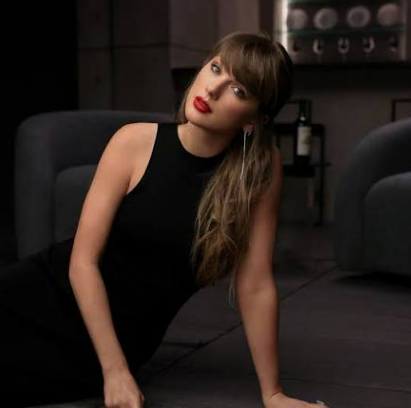
Taylor Taylor Swift’s influence on the global music business is measured in chart positions, album sales, streams and concert grosses. Yet her impact is better understood through the way recorded music, touring, physical editions, visual storytelling and fan communities reinforce one another. In 2026, that model remains visible as she moves between pop and country milestones and enters another Grammy Awards race.
The latest chapter illustrates the breadth of that reach. Swift returned to the Country Music Association Awards stage on November 18, 2026, for her first CMA performance in 13 years. She performed “I Knew It, I Knew You,” her song for Toy Story 5, alongside a return to the country roots represented by “Our Song.” The appearance followed the release of an expanded edition of The Life of a Showgirl, titled The Life of a Showgirl: The Encore, and five nominations for the 69th Grammy Awards. These developments show how one artist can remain relevant across formats, genres and generations of listeners.

SpotlightDaily-Official
A career that crosses genres without losing its identity
Swift began as a country singer-songwriter, built a wider pop audience with 1989, and later explored alternative, folk-influenced and synth-pop sounds. The shifts have not erased the storytelling approach that anchors her catalogue. Instead, each musical era has offered a new entry point for listeners while keeping earlier work commercially active.
That catalogue strategy matters in an industry where an artist’s value is no longer determined only by the opening week of a new album. Streaming services make older songs continuously discoverable, while vinyl, CDs, deluxe editions and re-recorded material give fans different ways to collect and revisit music. Swift’s ability to make a new release feel like an event while renewing interest in earlier albums has helped her turn a long career into a connected body of work.
The Life of a Showgirl and the power of the album event
The Life of a Showgirl became a major commercial force after its 2025 release. According to Luminate’s U.S. year-end data, it was the country’s top album of 2025, generating 5.607 million equivalent album units. It also led U.S. pure album sales and topped CD, vinyl, cassette and digital-download sales. The album’s performance demonstrates that streaming has not eliminated demand for physical music; in the right artist-fan relationship, multiple formats can support one another.
Swift extended the project in September 2026 with The Life of a Showgirl: The Encore, adding four songs including “Patient Zero.” The release was accompanied by a music video directed by Swift and premiered through the MTV Video Music Awards. The strategy illustrates how an album can be treated as an evolving campaign rather than a one-time product launch. New versions, visual content and appearances create fresh reasons for media coverage and fan discussion.
There is a commercial tension in this approach. Multiple editions can deepen fan engagement and give collectors more options, but they also raise questions about chart rules, consumer pressure and the line between meaningful bonus content and repeated purchasing. The long-term health of the model depends on audiences feeling that each release offers artistic or collectible value.
The Eras Tour reset expectations for live music
The Eras Tour established a new benchmark for the scale of a solo artist’s touring business. Taylor Swift Touring confirmed ticket revenue of $2.077 billion across 149 shows, with more than 10 million tickets sold. Pollstar independently estimated the total gross at more than $2 billion and described it as the highest-grossing tour on record at the time.
The tour’s significance went beyond stadium gates. Fans travelled between cities and countries, booking flights, hotels and restaurants and spending on transport and merchandise. Host-city businesses benefited from visitor demand, while the tour also put ticketing systems, venue capacity and concert security under scrutiny.

Researchers have also urged caution when interpreting the so-called “Swiftonomics” effect. A Copenhagen Business School analysis published in October 2026 acknowledged the substantial spending associated with the Eras Tour but questioned whether the phenomenon represents a fundamentally new economic mechanism. The distinction is important: major concerts can create visible bursts of tourism and hospitality activity, but estimates vary and not every dollar spent by concertgoers represents entirely new economic value for a city.
Fan communities are part of the business model
Swift’s fan community is not simply an audience waiting for the next single. Fans interpret lyrics, compare versions, share theories, create videos and help older songs find new audiences. Social platforms make this activity visible, turning releases into participatory cultural moments.
That relationship has commercial value, but it is also a form of cultural connection. Swift’s use of recurring imagery, narrative references and carefully timed announcements gives fans material to discuss between releases. The approach encourages sustained attention rather than relying only on traditional advertising. At the same time, the intensity of online fandom can create pressure, misinformation and unrealistic expectations, making direct and clear communication important.
Swift has also brought music ownership into mainstream discussion. Her dispute over the ownership of her early masters and subsequent re-recordings helped listeners understand that a recording’s commercial value and its underlying songwriting rights are not necessarily held by the same party.
From country roots to the 2026 CMA stage
Swift’s return to the CMA Awards in November 2026 was more than a nostalgic appearance. It connected her current global pop status with the country music community that first introduced her to a national audience. The Country Music Association confirmed that she was nominated for Single of the Year with “I Knew It, I Knew You,” an original song for Toy Story 5. Her performance blended that newer track with “Our Song,” recalling her early career.
The appearance demonstrates the flexibility of a modern superstar brand. Swift can take part in a country awards show, release pop-focused material, contribute to a major film soundtrack and remain a Grammy contender. Such crossover visibility creates opportunities across film, television, fashion, streaming and live entertainment.
Grammy recognition and the limits of dominance
Swift received five nominations for the 69th Grammy Awards, including Album of the Year for The Life of a Showgirl. The nominations confirm that her commercial presence continues to coincide with recognition from the recording industry. Yet the 2026 field is competitive: Raye led the nominations with 11, while Rosalía received nine. Awards are one measure of influence, not a complete account of artistic or commercial success.
Her international standing is also reflected in the International Federation of the Phonographic Industry’s 2025 global artist ranking. Reuters reported in February 2026 that Swift had been named the world’s best-selling artist for 2025 for a record sixth time. IFPI’s ranking considers worldwide sales across an artist’s catalogue, underscoring the importance of a deep and active body of work rather than one hit single.
What the music business can learn from Taylor Swift
Swift’s career offers lessons for the wider industry: catalogue ownership and long-term rights strategy matter; live performance can become a major economic engine; physical formats can remain relevant when tied to collectability; and an artist’s identity can cross genres without losing its creative centre.
Other artists cannot easily reproduce this success. Swift’s scale reflects years of songwriting, a large catalogue, a global fan base, a sophisticated touring operation and exceptional demand. The broader lesson is that sustainable careers connect music, audience trust, live experiences and ownership decisions over time.
The next phase of a global music force
Taylor Swift’s continued influence is not simply a story about celebrity or record-breaking numbers. It is a case study in how the music business now works across platforms, formats and industries. Her 2026 releases, Grammy nominations and return to the CMA stage show an artist able to draw attention from different corners of the entertainment world while keeping the music at the centre.
As the industry changes, her influence will depend on the quality of the work, audience trust and the ability to evolve. Swift remains a clear example of how a superstar can shape not only what people listen to, but how music is marketed, toured, collected and experienced.
Next Article
–Streaming Wars Enter a New Phase as Entertainment Giants Expand Their Content Spending
–Hollywood’s Biggest Studio Shake-Up Reshapes the Future of Film
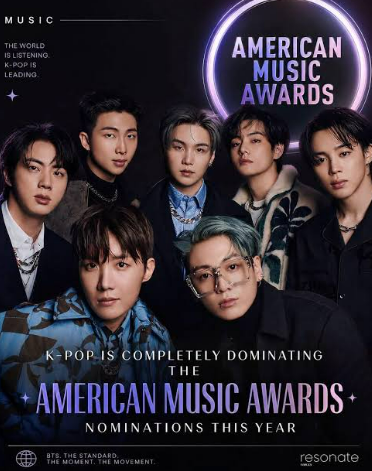
–BTS Continues Its Global Dominance: What Their Latest Awards Mean for K-Pop