2026 MAMA Awards: How K-Pop Continues to Conquer the Global Music Industry
Spotlight Daily – 26 November 2026
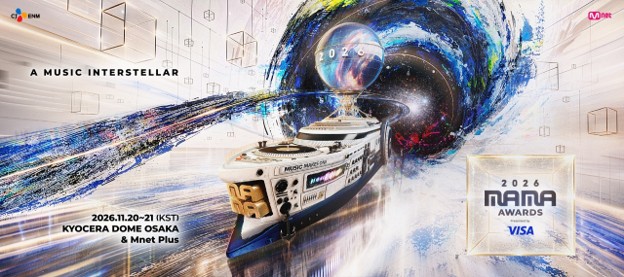
The 2026 MAMA AWARDS arrives in Osaka on November 20 and 21 at a moment when K-pop is no longer simply an export from South Korea: it is a globally networked music business, a live-performance phenomenon and a cultural force shaped by artists, labels, streaming platforms and highly engaged fan communities. This year’s ceremony, staged at KYOCERA DOME OSAKA under the theme “A MUSIC INTERSTELLAR,” offers a timely snapshot of how that ecosystem continues to expand.
Rather than treating the awards as only a competition for trophies, the 2026 edition is designed as a two-day entertainment experience. It combines artists from different generations, cross-genre collaborations, an immersive 360-degree stage and the first MAMA FAN FESTA. The format reflects a wider shift: global music events compete through lineups, experiences and communities.
SpotlightDaily-Official
Osaka becomes the meeting point for K-pop’s global audience
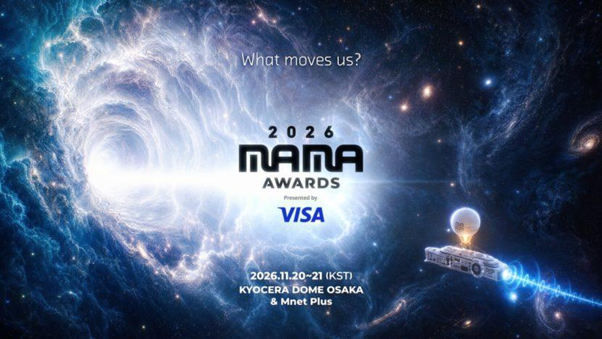
CJ ENM scheduled the 2026 MAMA AWARDS for Friday, November 20, and Saturday, November 21, at KYOCERA DOME OSAKA in Japan. The programme is divided into two chapters, with the first night focused on artist categories and the second centred on performance categories. The event is being streamed internationally through Mnet Plus, extending access beyond the arena to viewers in multiple markets.
Osaka is significant: Japan has long been an important market for Korean popular music, and MAMA has used overseas venues to position itself internationally. CJ ENM traces the event’s history to the Mnet Music Video Festival in 1999. It later evolved through several names before becoming MAMA AWARDS in 2022, a rebranding that signalled a broader global ambition.
The event’s international reach has grown through editions hosted in locations including Macau, Singapore, Hong Kong, Vietnam, Japan and the United States. That geographic movement matters because it takes the ceremony closer to regional audiences and turns the awards into a travelling showcase for Korean music and the wider Asian entertainment economy.
A lineup connecting K-pop generations
The 2026 programme brings established acts together with newer groups. The announced performers include BIGBANG, CL, ENHYPEN, IVE, LE SSERAFIM, BABYMONSTER, TREASURE, ZEROBASEONE, NCT WISH, Hearts2Hearts, ILLIT, &TEAM, HWASA, WOODZ and NAYEON, among others. The mix gives the ceremony a dual purpose: recognising established names while introducing emerging performers to audiences who may encounter them for the first time.
One of the edition’s headline storylines is BIGBANG’s 20th debut anniversary. The group’s appearance connects the current K-pop landscape with an earlier generation that helped build the genre’s international profile. Meanwhile, the inclusion of newer acts gives the programme a forward-looking dimension. For rising artists, a large-scale broadcast performance can function as a high-visibility introduction to fans, media and potential commercial partners outside their home market.
Cross-generational programming also reflects how K-pop fandom works. Listeners do not necessarily follow only one generation or one group. Digital platforms make it easy to move between catalogue tracks, new releases, performance clips and fan-created content. An awards show that places veteran acts and rookies in the same programme can turn that curiosity into discovery.
Exclusive collaborations make the ceremony a content event
MAMA’s identity has been built partly around stages created specifically for the ceremony. In 2026, the announced collaborations include BIGBANG with the Korean animated character Dooly the Little Dinosaur, CL with ALLDAY PROJECT, and a cinematic performance pairing ENHYPEN’s artistic universe with the world of Dune: Part Three. The programme also includes a collaboration involving veteran duo Panic and younger performers, as well as a joint stage featuring emerging groups LNGSHOT, MODYSSEY and TUIDE.
These combinations are more than novelty bookings. They create moments that can travel as short-form video, fan edits, reaction clips and press coverage after the live broadcast. In a crowded digital environment, a distinctive performance can have a longer life than the ceremony itself. The awards therefore operate as both a live event and a source of content that can circulate across platforms.
The planned collaboration with contemporary artist Lee Bae and the incorporation of Google’s Gemini AI into elements of the production also point to an effort to connect music with visual art and technology. Such experiments can broaden the show’s appeal, although their success will depend on whether they support the performances rather than distract from the artists.
Why the 360-degree stage and fan festival matter
The organisers have announced a 360-degree stage designed to give audiences views from multiple angles. Artist seating is also being positioned closer to audience eye level, while performers are expected to use areas among the stands. The intention is to make the arena feel less like a distant spectacle and more like a shared environment.
Outside the venue, the first MAMA FAN FESTA extends the event into Osaka. Running from November 9 to 21, the programme combines online activities through Mnet Plus with physical activations around the city, including HEP FIVE, Midosuji Street and Namba Square. The announced experiences include photo zones, fan community spaces and interactive activities linked to the awards.
This citywide approach illustrates how major entertainment events can generate value beyond ticket sales and broadcast rights. Visitors may spend on accommodation, transport, food and retail, while local landmarks gain visibility through event-linked activity. The scale of any economic effect should not be assumed without independent figures, but the strategy is clear: turn an awards ceremony into a destination experience.
How K-pop’s global model keeps evolving
K-pop’s international expansion is supported by a system that connects music releases with choreography, visual identity, artist storytelling, social media and organised fan participation. MAMA AWARDS brings many of those elements together in one highly visible setting. Its global livestream strategy allows fans who cannot travel to take part at the same time, while online communities can amplify performances through discussion and sharing.
Fan participation has also become more structured. CJ ENM says the MAMA SUPER FAN initiative, introduced in 2024, gives selected fans an ambassador role and a part in the nomination process for the Fans’ Choice category. The company reported that approximately 650,000 people took part in the recruitment process in 2025. That figure is a company-reported participation number, not a measure of total viewers or the entire K-pop fan population.
The distinction matters. K-pop’s global strength cannot be reduced to a single awards show, streaming chart or social-media metric. Its reach is built across recorded music, touring, merchandise, fashion partnerships, video platforms and fan communities. MAMA is one visible platform within that larger ecosystem, helping artists and labels turn attention into sustained engagement.
The challenges behind the global success
International growth brings pressure as well as opportunity. Artists face demanding production schedules, intense public scrutiny and the challenge of maintaining creative identity while reaching audiences with different cultural expectations. Labels and event organisers must balance commercial partnerships with artistic credibility. A global awards show also needs transparent processes and clear communication around nominations, voting and judging to maintain audience trust.
There is a further challenge in sustaining attention. Viral moments can introduce an artist to new listeners, but long-term success depends on music, performance quality and a durable relationship with fans. As more markets develop their own pop industries and audiences discover music from an increasingly broad range of countries, K-pop must continue to innovate without relying on the same formulas.
What the 2026 MAMA AWARDS could signal next
The 2026 ceremony is positioned as a showcase of K-pop’s past, present and future. BIGBANG’s anniversary provides a link to the genre’s earlier global breakthroughs, while newer groups and cross-disciplinary collaborations point toward its next phase. The 360-degree stage and MAMA FAN FESTA show how organisers are expanding the event from a televised awards programme into a more immersive fan experience.
The real measure of the event’s influence will emerge after the lights go down: which performances reach new audiences, which artists gain lasting attention, and whether the fan experience strengthens connections between performers and listeners. Those outcomes cannot be determined in advance; winners should be reported only after official confirmation.
For now, the 2026 MAMA AWARDS demonstrates how K-pop continues to build its international presence through a combination of music, technology, live spectacle and community. Its ambition is not simply to export songs, but to create shared cultural moments that audiences around the world can experience together.
Next Article
–Streaming Wars Enter a New Phase as Entertainment Giants Expand Their Content Spending
–Hollywood’s Biggest Studio Shake-Up Reshapes the Future of Film
–BTS Continues Its Global Dominance: What Their Latest Awards Mean for K-Pop